Decarbonizing Agriculture Part 1: Understanding Emissions Sources
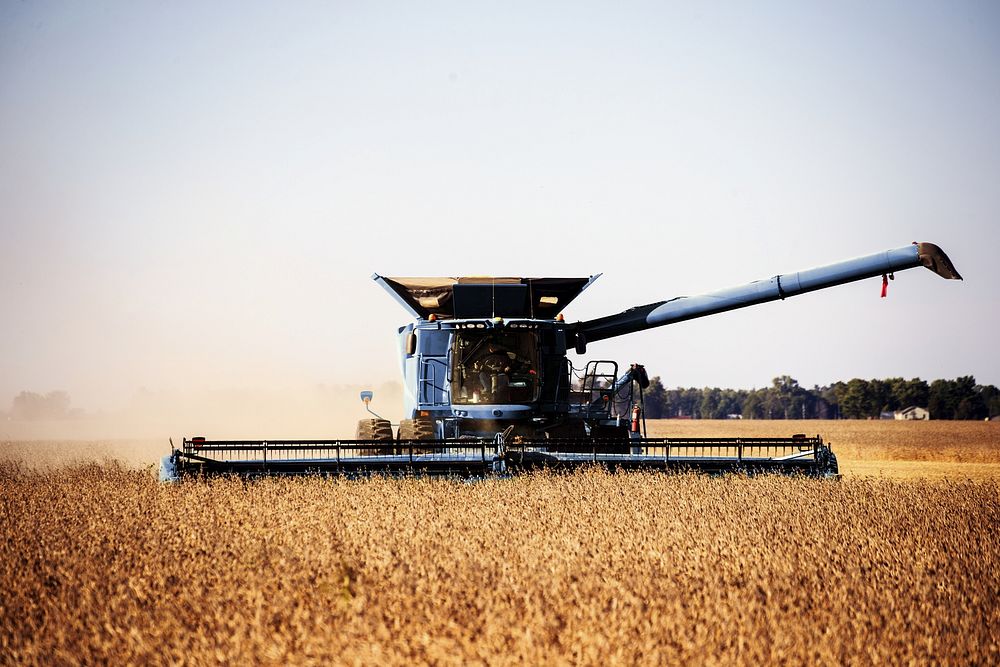
Agriculture and food systems are responsible for roughly one-third of global greenhouse gas emissions. In the United States alone, agriculture contributes approximately 11.5% of total greenhouse gas emissions according to the EPA — and when you expand the boundary to include the full food system (processing, packaging, transportation, retail, and waste), the share grows significantly.
Understanding where these emissions come from is the essential first step to reducing them.
The Three Main Agricultural Greenhouse Gases
Agricultural greenhouse gas emissions are primarily composed of three gases, each with different warming potentials and sources:
Carbon dioxide (CO₂) is released through soil disturbance, land use change (particularly deforestation for agriculture), and the combustion of fossil fuels in farm machinery and transportation. While CO₂ is the most abundant greenhouse gas globally, it is not the dominant agricultural emission.
Methane (CH₄) has a global warming potential approximately 28 times that of CO₂ over a 100-year period. In agriculture, methane is primarily produced through enteric fermentation — the digestive process in ruminant animals like cattle — and from rice cultivation, where flooded paddies create anaerobic conditions that favor methane-producing microorganisms. Manure management is another significant source.
Nitrous oxide (N₂O) is the most potent of the three, with a global warming potential roughly 265 times that of CO₂. It is released primarily from agricultural soils, particularly when synthetic nitrogen fertilizers are applied. Microbial processes in the soil convert a portion of applied nitrogen into N₂O, making fertilizer management a critical lever for emission reduction.
These gases are often grouped together as CO₂ equivalents (CO₂e) to allow for standardized comparison across different emission sources.
Major Emission Sources
Enteric Fermentation
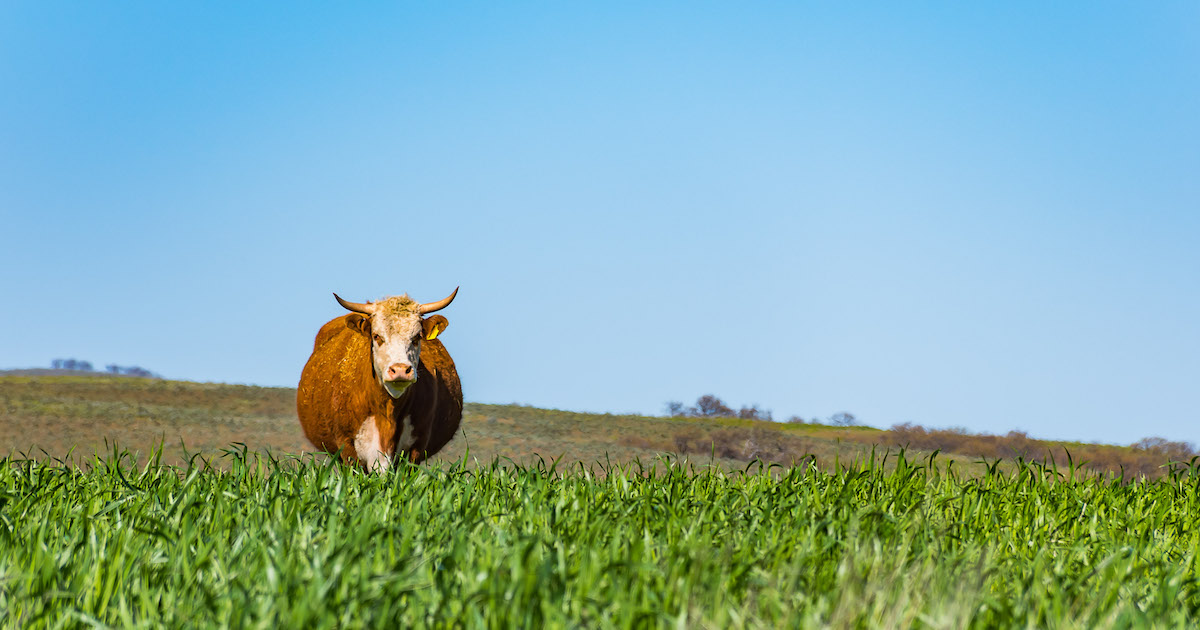
Ruminant animals — cattle, sheep, and goats — produce methane as a byproduct of their digestive process. In the United States, enteric fermentation is the single largest source of agricultural methane emissions. Cattle alone account for the vast majority, with beef cattle contributing more per animal than dairy cattle due to differences in feed efficiency and production systems.
Manure Management
How animal waste is stored and processed significantly affects emissions. Liquid manure storage systems (lagoons and holding ponds) create anaerobic conditions that produce methane, while solid storage and pasture-deposited manure produce relatively more nitrous oxide. The choice of manure management system is therefore a meaningful emission reduction lever.
Rice Cultivation
Flooded rice paddies create anaerobic conditions in the soil, promoting methanogenesis — the biological production of methane. While rice cultivation represents a smaller share of U.S. agricultural emissions, it is globally significant, particularly in Southeast Asia where rice is a dietary staple.
Synthetic Fertilizer Application
The application of synthetic nitrogen fertilizers is the dominant source of agricultural nitrous oxide emissions. When nitrogen is applied to soil, microbial processes (nitrification and denitrification) convert a portion to N₂O. The rate of conversion depends on soil conditions, application rates, timing, and method — all of which present opportunities for emission reduction.
Soil Carbon Loss
Agricultural soils have lost significant amounts of carbon due to tillage, monoculture practices, and the removal of plant residues. This loss represents both an emission source and an enormous opportunity: regenerative practices can begin to reverse these losses, turning agricultural soils from a net carbon source into a net carbon sink.
Why This Matters for Decarbonization
Unlike many industrial sectors, agriculture involves biological processes that are inherently difficult to eliminate. Ruminant livestock, flooded rice paddies, and microbial activity in soils produce GHGs as a byproduct of natural processes — making reduction a matter of management practices rather than simply switching fuel sources.
This is what makes agricultural decarbonization both uniquely challenging and uniquely promising. The same biological systems that produce emissions also have the potential to sequester carbon at massive scale. Understanding the sources — as detailed in this article — is the necessary foundation for the mitigation strategies we'll explore in Part 2.
Read Part 2: Reduction Strategies →
Frequently Asked Questions
What percentage of US greenhouse gas emissions come from agriculture?
According to the EPA, agriculture accounts for approximately 11.5% of total US greenhouse gas emissions. When you expand to the full food system — including processing, packaging, transportation, and retail — the share rises to roughly one-third of global emissions.
What are the main sources of greenhouse gas emissions in agriculture?
The three primary agricultural GHGs are methane (CH₄), nitrous oxide (N₂O), and carbon dioxide (CO₂). Key sources include enteric fermentation (belching from cattle and other ruminants), manure management, rice cultivation (anaerobic decomposition), and synthetic fertilizer application.
Why is agriculture such a significant source of emissions?
Unlike many industrial sectors, agriculture involves biological processes that are inherently difficult to eliminate. Ruminant livestock, flooded rice paddies, and microbial activity in soils produce GHGs as a byproduct of natural processes — making reduction a matter of management practices rather than simply switching fuel sources.
Written by Patrick Pelegri-O'Day · November 9, 2023