
California's Water Dilemma Part 1: We Cannot Manage What We Don't Measure
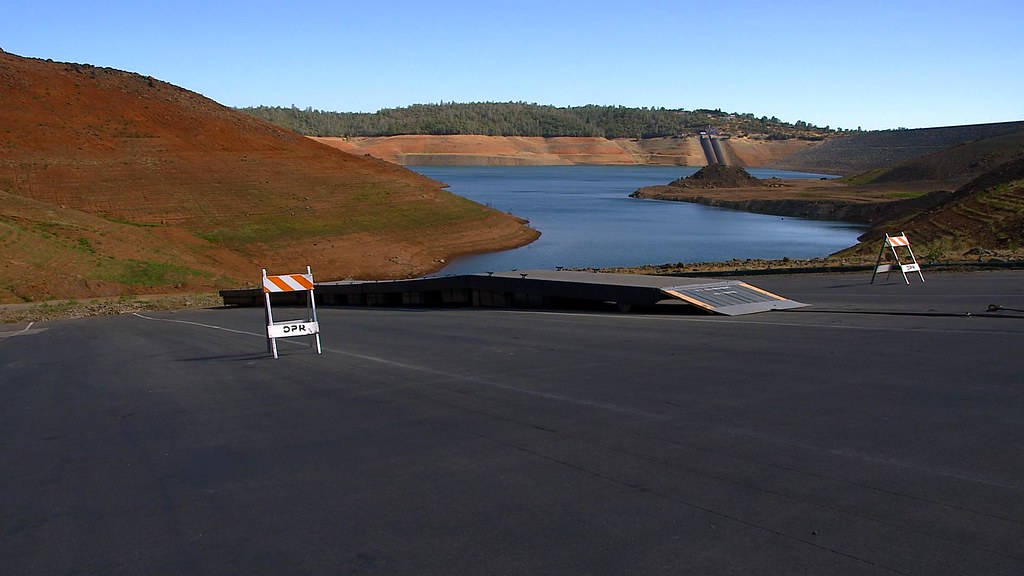
California is facing several water challenges simultaneously: scarce water supply, outdated infrastructure, and a dire need for smart, data-driven management in an era of accelerating climate change. At the core of these challenges lies a deceptively simple problem: you cannot manage what you don't measure.
A State Built on Water
California's economy — the fifth largest in the world — was built on water. The state's vast agricultural industry, which produces over a third of the country's vegetables and two-thirds of its fruits and nuts, depends on an intricate network of canals, aqueducts, reservoirs, and groundwater wells that move water from where it falls to where it's needed.
This water delivery system was engineered in the mid-20th century for a state with a fraction of its current population, a different agricultural landscape, and a climate that was far more predictable. Today, that system is showing its age.
Water Rights from a Different Era
California's water rights system is rooted in doctrines that predate modern hydrology. The prior appropriation system — "first in time, first in right" — dates back to the Gold Rush era. Riparian rights, which grant water access to those who own land adjacent to a water source, are even older in legal tradition.
These legal frameworks were designed for an era of perceived abundance. They create perverse incentives: use it or lose it provisions discourage conservation, and the seniority-based allocation system makes it nearly impossible to reallocate water to where it's most needed or most efficiently used.
Surface Water and Groundwater: A Split System
California's water supply comes from two primary sources: surface water (snowpack, rivers, and reservoirs) and groundwater. In wet years, surface water dominates. In dry years, groundwater fills the gap — often unsustainably.
For decades, groundwater in California was essentially unregulated. The Sustainable Groundwater Management Act (SGMA), passed in 2014, represents a historic shift toward managed groundwater use. But SGMA is still in its early implementation phase, and many groundwater basins lack the monitoring infrastructure needed to understand — let alone manage — their water budgets.
The Data Gap
This is where the measurement problem becomes acute. California's water system generates far less data than you might expect for the world's fifth-largest economy:
- Many agricultural water deliveries are unmetered or infrequently measured
- Groundwater levels in many basins are monitored at only a handful of wells
- Surface water and groundwater data are collected by hundreds of different agencies with incompatible systems
- Real-time data is the exception, not the norm
Without comprehensive, accurate, and timely data, water managers cannot make informed decisions about allocation, conservation, or infrastructure investment. Policy debates are conducted with incomplete information. And climate adaptation planning — which requires understanding how supply and demand patterns are shifting — operates in a partial vacuum.
Why This Matters Now
Climate change is making California's water challenge more urgent. Warming temperatures mean less snowpack and earlier snowmelt. More precipitation falls as rain rather than snow, reducing the natural storage that California's water system was designed to exploit. Droughts are becoming more frequent and severe.
In this context, the data gap isn't just an inconvenience — it's a structural barrier to effective water management. You cannot adapt to a changing climate if you don't understand your current water system well enough to model its future.
Looking Forward
In Part 2, we examine the specific data challenges in more detail and explore what a modernized, data-driven water management system could look like for California.
At Klimate Consulting, we believe that open, accessible water data is a critical foundation for addressing California's water challenges. Our California Water Intelligence Dashboard is one step toward making that data available.
Read Part 2: Water Data Scarcity →
Frequently Asked Questions
Why is it so difficult to manage water in a state as large as California?
California's water challenge is not simply about scarcity — it's a data and infrastructure problem. The state's water delivery system was built for a different era and lacks the comprehensive measurement tools needed to manage resources efficiently under 21st-century climate conditions. Without accurate, real-time data on where water is going and how much is available, even well-funded management efforts fall short.
What is California's biggest water problem?
Outdated water law, aging infrastructure, and a critical lack of data. California still operates under water rights doctrines that predate modern hydrology. Combined with a delivery system designed for mid-20th century agricultural patterns, the state cannot yet manage water with the precision the current climate demands.
How can California better manage its water resources?
Modernizing the measurement and monitoring infrastructure is the essential first step. This means deploying real-time sensors, building integrated data systems, and updating the legal and regulatory framework that governs water allocation. Klimate's California Water Intelligence Dashboard is an early example of what open, accessible water data can look like.

Arian Aghajanzadeh
Founder of Klimate Consulting. 10 years of experience in energy, water, and agriculture sustainability.
Related Articles
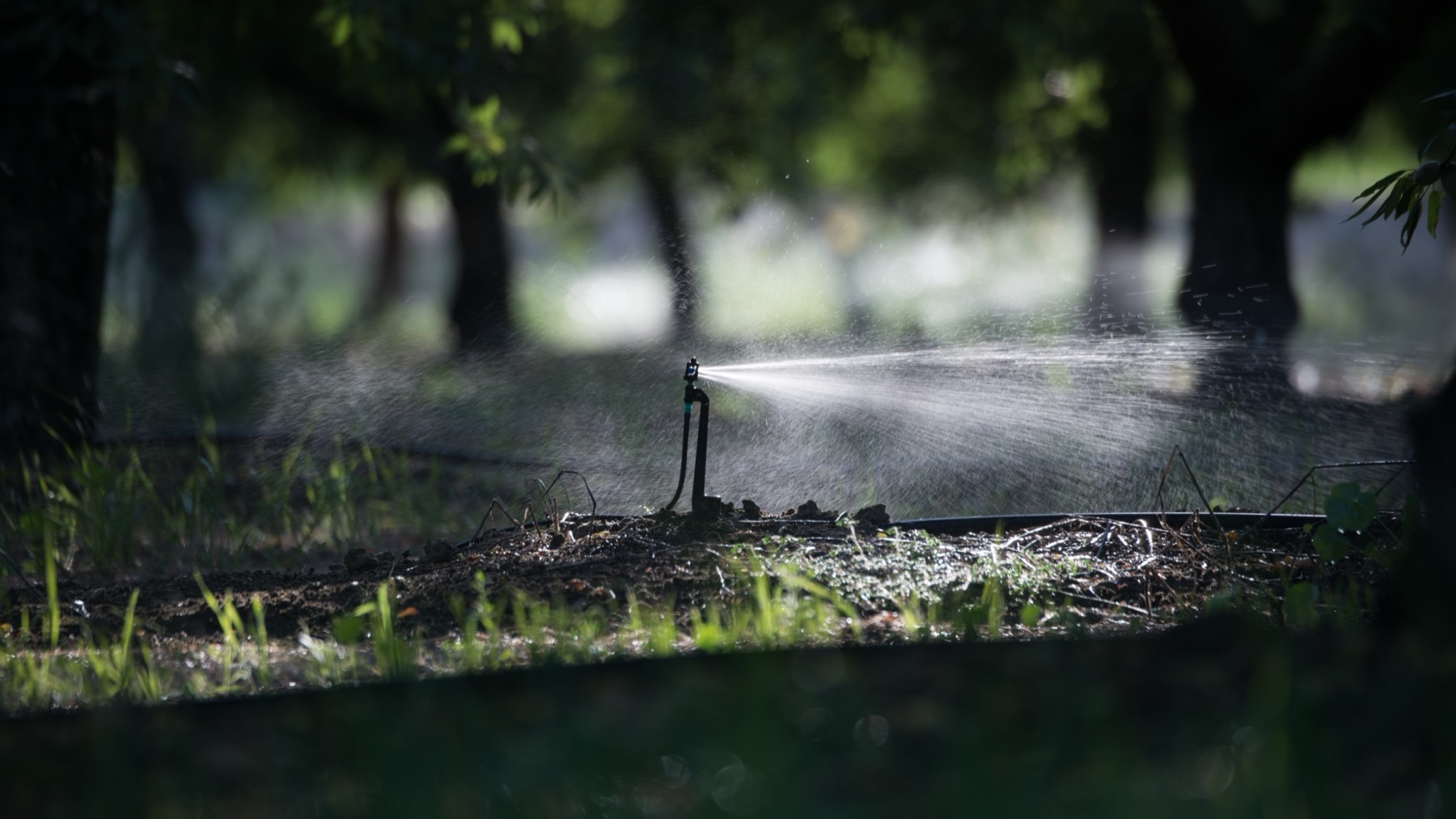
California Converted Its Irrigation to Save Water. So Why Is Farm Energy Use Going Up?
Eight charts that explain the water-energy paradox of microirrigation — and what California growers can do about it.
![California's Water Dilemma Part 2: Water [Data] Scarcity](https://www.klimateconsulting.com/wp-content/uploads/2024/04/46359731042_8c9558c25c_b.jpg)
California's Water Dilemma Part 2: Water [Data] Scarcity
To modernize water management in California, accurate granular data is crucial. The current lack of comprehensive data presents a major challenge.